

GISTM in Brazil: Trends, Hurdles & Practical Insights from Operators
GISTM in Brazil: Trends, Hurdles & Practical Insights from Operators
Introduction — why Brazil matters for GISTM
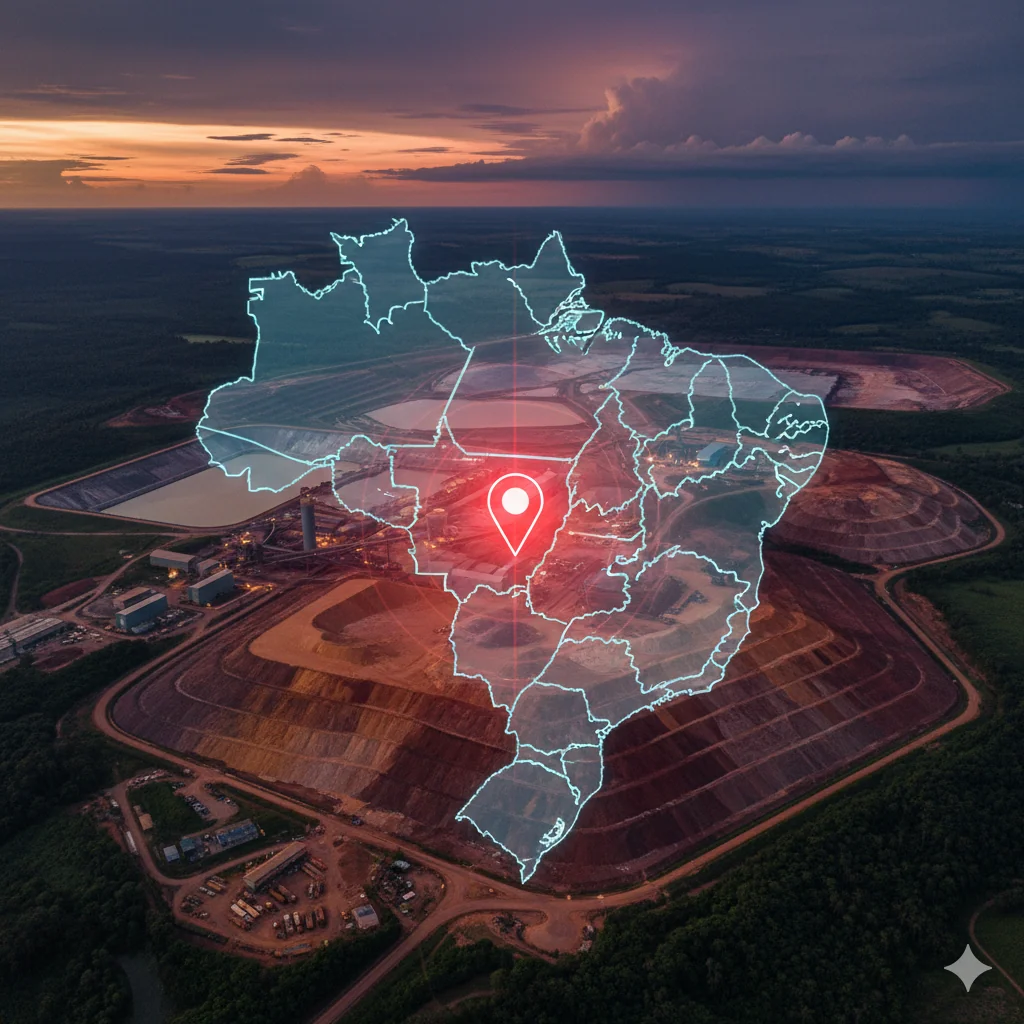
Brazil sits at the center of the global tailings conversation. High-profile failures in the country re-shaped industry practice and public expectations, and many of the world’s largest miners have major Brazilian portfolios to bring into compliance. That combination makes Brazil a useful lens: it shows what quick adoption looks like, what practical problems persist, and which strategies actually move the needle on safety. (Short take: there’s strong momentum — but implementation is neither cheap nor simple.) Wikipedia
Trend 1 — Rapid corporate adoption, led by large operators
After the Global Industry Standard on Tailings Management was published, major Brazilian operators moved quickly to demonstrate progress. Several large miners publicly committed to meeting the Standard’s requirements across their facilities and have published conformance updates and action plans. For operators this means building new governance structures, appointing empowered Engineers of Record, and running independent reviews on high-consequence facilities. These corporate moves signal that, in practice, GISTM is now a baseline expectation for many financers and partners — and companies that move early gain a reputational advantage. Vale
Trend 2 — New national scrutiny and shifting regulation
Public concern following catastrophic accidents prompted legislative and regulatory responses in Brazil. Policymakers have debated and in some cases enacted tighter constraints on certain tailings practices, increased fines, and stronger emergency-planning requirements. For operators this dual pressure — from investors and from national regulators — means compliance programs must meet both GISTM expectations and an evolving domestic rulebook. Planning for the stricter of the two rules is usually the safest path. Reuters
Hurdle 1 — Legacy facilities and data gaps
Brazil’s largest implementation challenges lie in legacy infrastructure: older dams built to different standards, incomplete geotechnical records, and limited historical monitoring data. Bringing these assets up to modern practice often requires extensive investigation (boreholes, lab testing, instrumentation), capital upgrades, and lengthy independent reviews. For many operators the hardest early decisions are triage: which facilities to retrofit or close first, and how to allocate scarce CAPEX to maximize risk reduction. Independent technical audits and phased remediation plans are essential tools here. Nature +1
Hurdle 2 — Community trust and social license
Beyond engineering fixes, successful GISTM implementation requires rebuilding community confidence. Brazilian communities affected by past failures rightly demand transparency, meaningful consultation and robust emergency planning. Operators that treat stakeholder engagement as a compliance checkbox risk project delays and legal challenges. Practical actions include routine public disclosures, community-accessible monitoring dashboards, and funded local evacuation drills tied to the TSF emergency plan. These non-technical interventions are often the most effective way to reduce downstream social risk. Vale
Hurdle 3 — Financing the transition
Upgrading a portfolio to GISTM standards costs money. Companies face tradeoffs between immediate capital expenditure (retrofitting or converting upstream raises, installing real-time monitoring, or switching to filtered tailings) and longer-term liabilities. Regulators, investors and communities increasingly ask for clear financial assurance — trust funds, bonds or insurance layers — to ensure remediation can be funded even if operators’ balance sheets change. Without credible funding plans, implementation plans can stall or lose investor confidence. Reuters
Practical insights operators can use now
Triaging facilities by consequence and feasibility. Start with the highest-consequence dams and the facilities where simple, high-impact fixes (additional instrumentation, improved seepage control) buy the most safety. Document the triage logic for auditors and financiers.
Institutionalize the Engineer of Record role. Make EoRs accountable, resourced and direct-reporting. That role short-circuits delays in technical decision-making and improves auditability.
Close the data loop. Invest in a prioritized monitoring plan: piezometers, slope-movement sensors, and routine water-chemistry checks. Use clear alarm thresholds and automated reporting for both operations and community stakeholders.
Systematize community engagement. Publish accessible facility-level summaries, run regular local exercises, and maintain a transparent grievance mechanism with time-bound responses.
Build layered financial assurance. Mix trust funds for closure with supplementary surety or insurance for catastrophic events; stress-test the plan under insolvency scenarios and disclose results.
Plan for phased engineering changes. Where full conversion to filtered/paste tailings isn’t immediately feasible, develop staged plans: instrumentation → operational controls → partial retrofit → final conversion. That path reduces immediate risk while creating a credible roadmap.
What regulators and service providers should watch in Brazil
Independent audit capacity: As demand for third-party reviews grows, robust, impartial engineering firms and competent regulators are critical to fair outcomes.
Transparency platforms: Public disclosure portals that standardize TSF data will accelerate trust-building and allow benchmarking across operations.
Financing mechanisms: Expect policy attention on how to fund legacy closures — pooled remediation funds or mandatory trusts could gain traction.
Closing — the practical bottom line
Brazil shows that GISTM is implementable, even across large and technically diverse portfolios — but success depends on combining engineering upgrades with stronger governance, community engagement, and credible funding. For operators: start with the highest-risk dams, document every technical and social choice, and publish clear, independently-verified progress. That path minimizes safety risk and preserves access to investment.
Sources & further reading: Major company GISTM updates and independent reporting on Brazilian regulation and post-incident recovery.